
Hialeah Property Tax Records Lookup
Hialeah property tax records are public documents maintained by Miami-Dade County. As the second-largest city in Miami-Dade, Hialeah's property tax functions are handled by the Miami-Dade County Property Appraiser and the Miami-Dade Tax Collector. This page covers where to search records, how assessments work, and what you can do regarding exemptions, appeals, and payments for Hialeah properties.
Hialeah Quick Facts
Property Tax in Hialeah
Hialeah is the second-largest city in Miami-Dade County. All property tax administration for Hialeah is done at the county level by Miami-Dade County offices. The Miami-Dade County Property Appraiser values every Hialeah parcel as of January 1 each year. The Miami-Dade Tax Collector handles billing and payment. There is no separate city-level property appraiser or tax collector for Hialeah.
Hialeah's property stock is a mix of single-family homes, duplexes, small apartment buildings, and commercial properties. The housing market in the city is dense - Hialeah is one of the most densely populated cities in Florida. Property values here have climbed in recent years along with the broader Miami-Dade market. Long-term homestead holders benefit from the Save Our Homes cap, which limits annual assessment increases to 3% or inflation. New buyers see their assessed value set close to the purchase price in the first year of ownership.
Multiple taxing authorities levy against Hialeah parcels. Miami-Dade County, the school board, the City of Hialeah, and various special districts all set their own millage rates. The South Florida Water Management District also levies a separate rate. Your TRIM notice shows each authority and its proposed millage. The notice arrives each August and gives you 25 days to respond if you disagree with the proposed values or rates.
The Florida Department of Revenue Property Tax Oversight page describes how the statewide system works. Under Chapter 192, Florida Statutes, just value is the required assessment standard for all Florida counties, including Miami-Dade and all properties within Hialeah city limits.
Miami-Dade Property Appraiser
The Miami-Dade County Property Appraiser's main office is at 111 NW 1st Street, Suite 710, Miami, FL 33128. Phone: (305) 375-4712. Email: pa@miamidade.gov. The Property Appraiser's website has an online search tool for all Miami-Dade parcels, including those within Hialeah. The property search page accepts an address, owner name, or folio number as the search input.
The folio number is Miami-Dade's parcel identifier. It looks different from parcel IDs used in other Florida counties but works the same way. Once you find a Hialeah parcel using any of the three search methods, the record opens and shows: the legal description, land area, building characteristics, assessed value, taxable value, exemptions on file, and a sales history. The data is updated as deeds are recorded and permits are pulled throughout the year.
The appraiser uses mass appraisal methods under Florida DOR standards. For Hialeah's residential properties, the office relies heavily on comparable sales within the city and surrounding areas. Commercial and industrial properties use income or cost approaches where sales data is limited. The appraiser's office covers all of Miami-Dade County - more than 800,000 parcels - so much of the work is done through automated models rather than individual inspections.
If data in your Hialeah property record is wrong - wrong year built, wrong building size, wrong property use code - contact the appraiser's office and ask for a data review. Errors in the underlying data can result in inflated values. A data correction is simpler than a full VAB appeal and can sometimes resolve the problem directly.
The Florida DOR Property Tax Oversight page explains the statewide assessment standards that govern how Miami-Dade values Hialeah properties.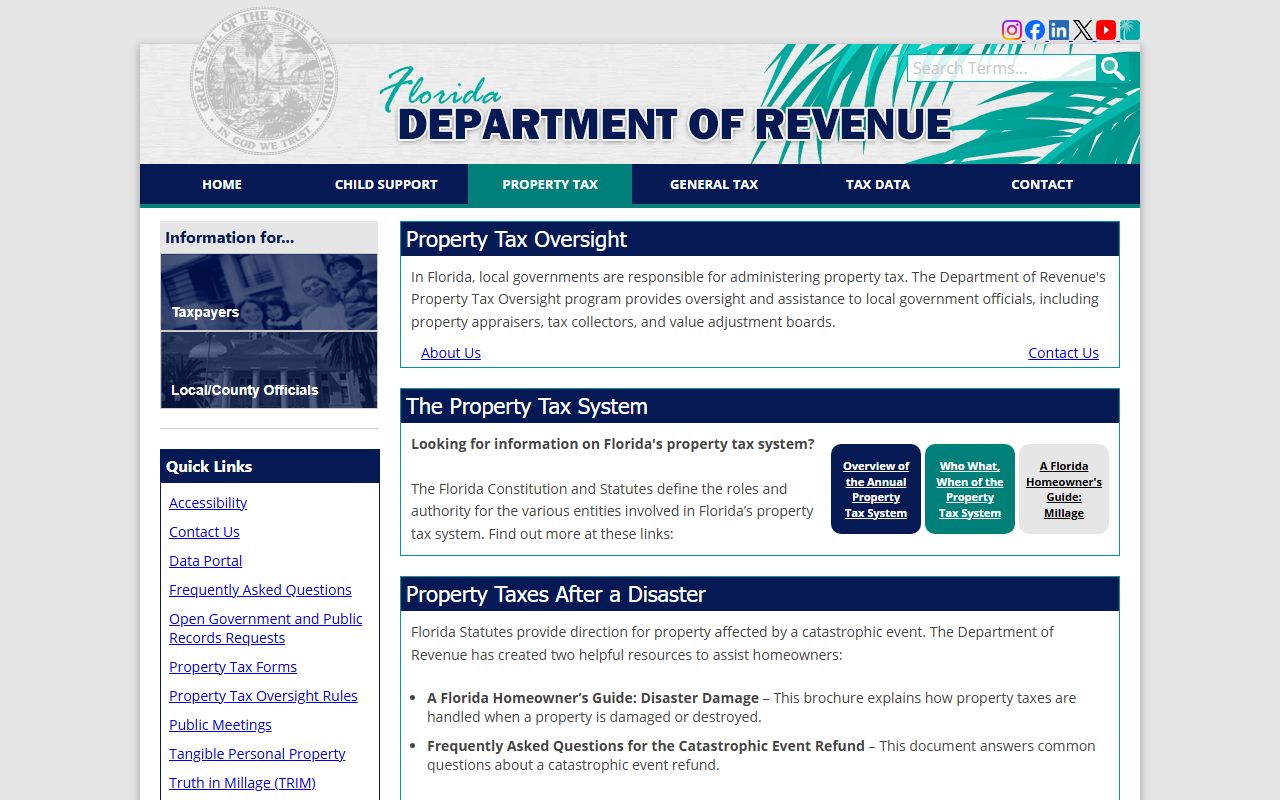
The DOR page is useful background reading before you navigate the Miami-Dade parcel search for Hialeah records.
Tax Collector
The Miami-Dade Tax Collector's main office is at 200 NW 2nd Avenue, Miami, FL 33128. Phone: (305) 375-5570. The Tax Collector's payment portal lets you look up any Miami-Dade parcel - including Hialeah properties - to see the amount due and make a payment. The collector also operates service centers throughout the county. Check the collector's website for the branch location nearest to Hialeah.
Tax bills go out in November each year. Pay in November for a 4% discount. December earns 3%, January 2%, and February 1%. After March 31, taxes are delinquent. Delinquency leads to a tax certificate sale in June under Chapter 197, Florida Statutes. At that sale, investors bid on certificates and pay the overdue taxes. The property owner can redeem the certificate at any time. If two years pass without redemption, the investor may begin the tax deed process.
Online payment through the Tax Collector's portal accepts credit cards and e-checks. In-person payments are taken at any branch service center. For owners who prefer to pay in stages, the quarterly installment plan is available. Enroll before May 1 each year. The plan splits your estimated tax into four payments spread over the year. There is a small service fee for the plan.
Florida law also allows certain low-income senior homeowners to defer property taxes until the home is sold or transferred. If you are a Hialeah homeowner over 65 with income below the state limit, ask the Tax Collector's office whether you qualify. Deferred taxes accrue interest but do not lead to a certificate sale while the homeowner remains in the property.
How to Search Hialeah Property Tax Records
Start at the Miami-Dade property search page. Enter the Hialeah property address, owner name, or folio number. The search returns the full parcel record at no cost. No registration is needed. You can view the record on-screen, look at the property on an aerial map, and check the full sales history without any fees.
For billing and payment data, go to the Tax Collector's payment portal. Enter the folio number or address. The portal shows the current balance due, discount period deadlines, and prior-year payment history. If a tax certificate is outstanding on the parcel, the system will show it.
All Hialeah property tax records are public under Chapter 119, Florida Statutes. Access is free. No reason is needed. No Florida residency is required. The only protected data is specific personal information - Social Security numbers and similar details - on exemption applications.
For bulk data, the Florida DOR data portal offers county-level downloadable summary files. The full Miami-Dade file includes Hialeah parcels. For individual property research, the county's online tools are faster and more detailed. In-person requests are handled at the appraiser's office at 111 NW 1st Street in Miami.
The Florida DOR contact page helps you reach state-level staff when county offices cannot resolve your Hialeah property tax question.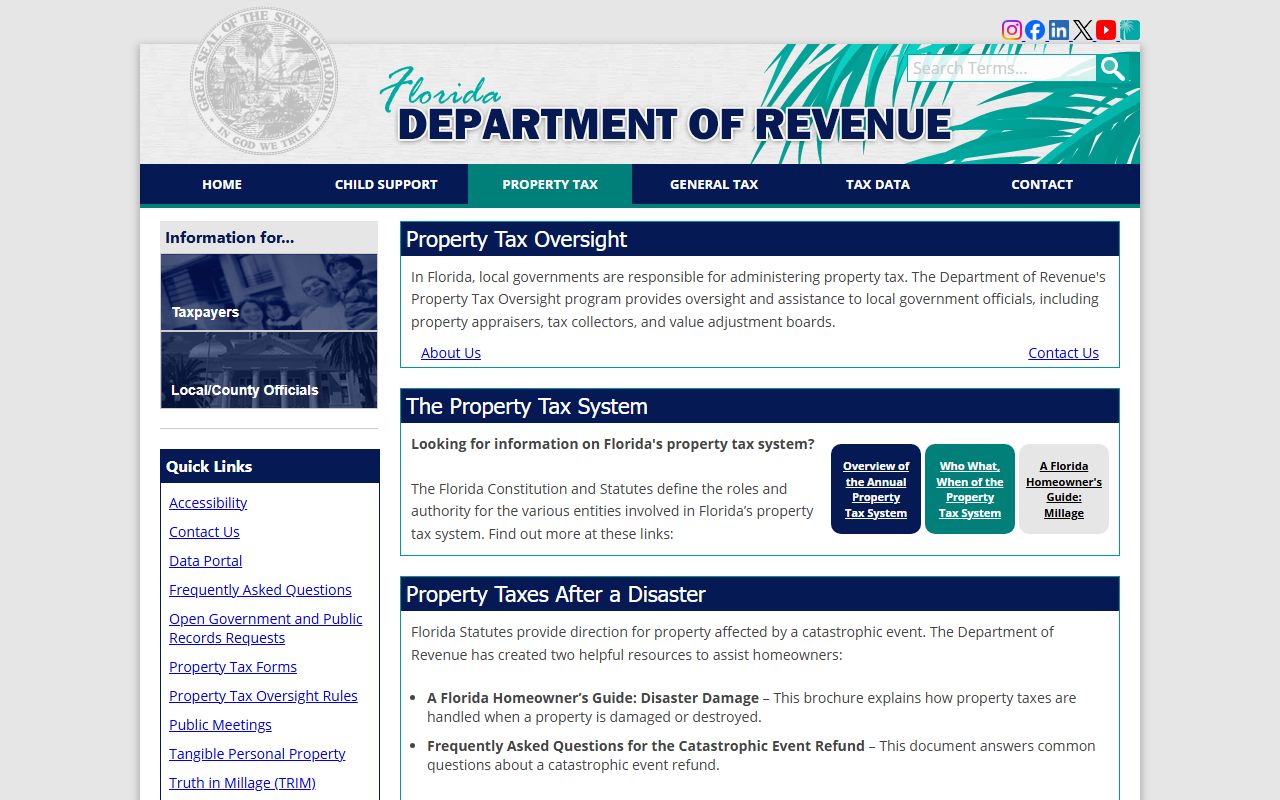
Use the DOR contact page when you need state-level guidance on a Hialeah or Miami-Dade property tax issue.
Exemptions in Hialeah
Florida's exemptions apply fully to Hialeah properties. The homestead exemption is the most common and valuable. It reduces the assessed value of a primary residence by up to $50,000. Apply at the Miami-Dade County Property Appraiser's office at 111 NW 1st Street in Miami by March 1 of the tax year. Bring a Florida driver's license or ID showing the Hialeah address, and your vehicle registration if you own a car. Late applications are not accepted for the current year. Exemption rules are set by Chapter 196, Florida Statutes.
Homestead triggers the Save Our Homes cap. After the first full year of exemption, annual increases in assessed value are limited to 3% or the prior year's inflation rate, whichever is lower. In a dense urban market like Hialeah, where property values have moved fast, this cap provides real relief for long-term homeowners. When a property sells, the cap resets to just value for the new owner in the first assessment after purchase.
Portability lets you carry your accumulated SOH benefit to a new Florida primary home. If you sell your Hialeah property and buy another Florida home within two years, apply for portability with the new property's appraiser at the same time you apply for homestead. This can transfer meaningful tax savings to your next home.
Other available exemptions include the senior low-income exemption, veteran disability exemptions, total disability exemptions, and surviving spouse exemptions. Hialeah has a significant senior population, and the senior exemption is widely used here. Business owners must file a tangible personal property return by April 1 each year to claim the $25,000 TPP exemption. Returns go to the Miami-Dade Property Appraiser's office.
VAB Appeals
Hialeah property owners can challenge their assessed value through the Miami-Dade Value Adjustment Board. The TRIM notice mailed each August shows the proposed assessed value and the 25-day window to file a petition. File before the deadline shown on your notice. Late petitions are rejected. The VAB process is governed by Chapter 194, Florida Statutes.
Hearings are conducted by special magistrates. For a Hialeah single-family home, the most useful evidence is comparable sales from the same neighborhood - properties of similar size, age, and condition that sold in the same general time period as the assessment date. Photos of condition problems, repair estimates, and an independent appraisal all strengthen the case. The magistrate makes a recommendation; the VAB votes on it. If you don't prevail, circuit court is the last option.
Miami-Dade's large real estate market means there are active VAB proceedings each year. Some property owners hire property tax agents or attorneys, especially for commercial properties and high-value homes. For typical Hialeah single-family homes, a well-prepared owner with solid comparable sales data can often make a strong case without professional help. Pay at least the non-disputed portion of your bill while the appeal is pending to avoid delinquency.